Retractable protection for wide openings
Custom Roll-Down Shutters for Reliable Protection
Roll-down shutters create a strong, convenient barrier for windows, doors, lanais, patios, and commercial openings. The Shutter Pros helps property owners compare manual, motorized, and smart-control systems sized for the opening and the way the space is used.
Request a Free Quote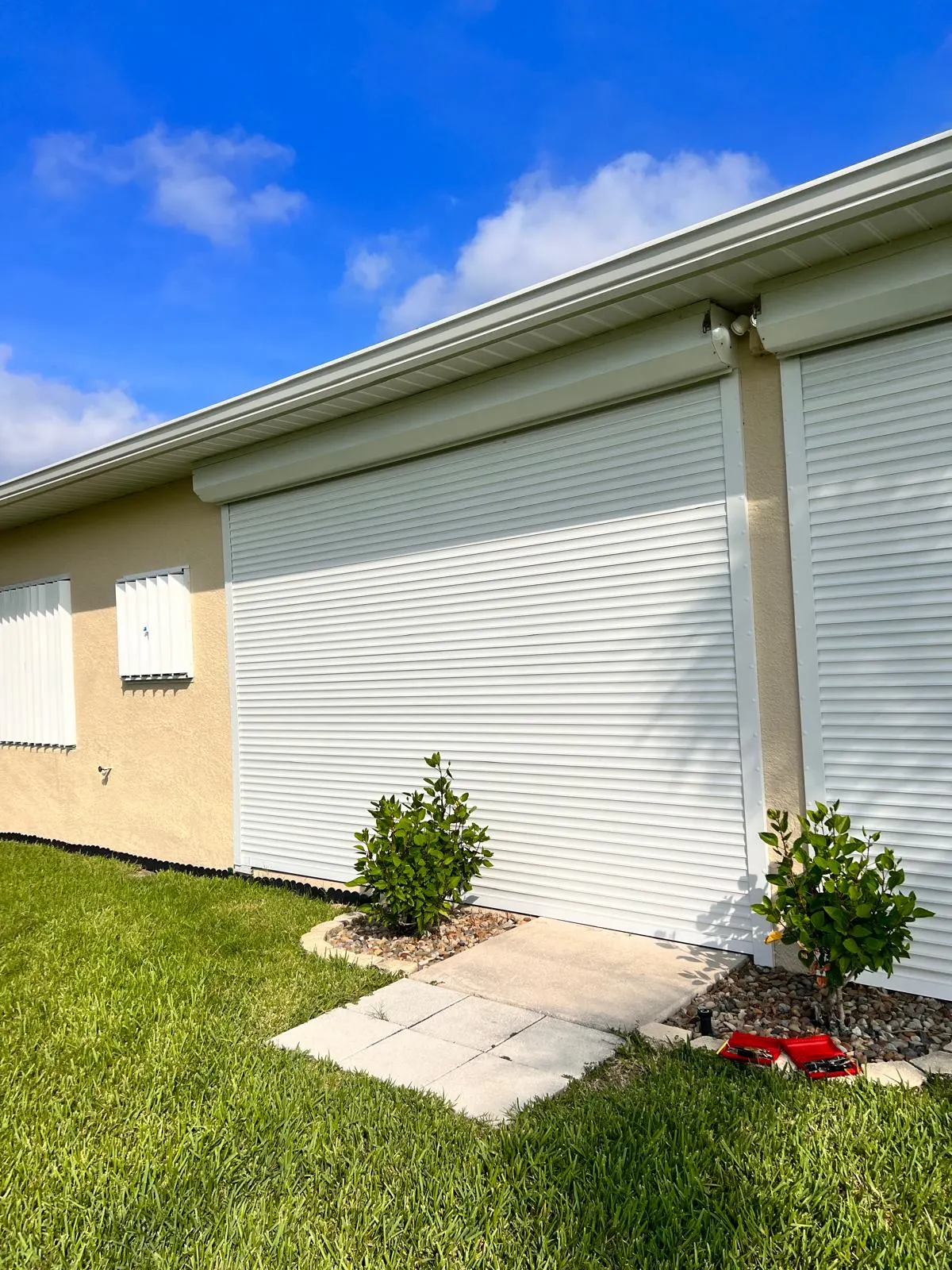
What Are Roll-Down Shutters?
Roll-down shutters are retractable assemblies that travel vertically along side tracks and store inside a housing above the protected opening. When open, the system stays compact and preserves access, daylight, and views. When closed, interlocking slats or a purpose-built screen create continuous coverage across the opening. This practical design makes roll-down protection useful for homes, condominiums, outdoor living areas, retail locations, and other properties that need fast deployment without installing removable panels each time severe weather or added security becomes a concern.
Every opening presents different requirements. Width, height, mounting surface, exposure, available headroom, electrical access, and the desired level of protection all affect the correct configuration. A professional assessment helps determine whether an inside, outside, surface, or integrated mounting approach is appropriate. It also identifies obstructions before fabrication. Custom sizing is essential because secure tracks, correct clearances, and dependable operation rely on accurate field measurements rather than a one-size-fits-all product.
Common roll-down shutter applications
- Windows and entry doors
- Patio, lanai, and balcony openings
- Storefronts and service counters
- Garages and exterior storage areas
Manual, Motorized, and Smart-Control Options
Manual roll-down shutters can be a dependable choice for smaller openings or projects where electrical work is not practical. Motorized shutters improve convenience for larger spans and frequently used openings by raising or lowering the closure from a wall switch or compatible remote. Some systems can also support smart-home controls when the selected motor and control package are designed for that use. The right operating method should balance opening size, frequency of use, emergency access, power availability, and the needs of everyone who will operate the shutter.
Motorized does not mean maintenance-free. Tracks should remain clear, the curtain should move evenly, and controls should be tested before storm season or an extended property closure. Owners should follow the manufacturer’s operating and service instructions and avoid forcing a system that is obstructed. Planning a practical manual override or backup strategy, when available for the selected assembly, also helps keep the protection plan useful during a power interruption.
Protection, Security, Shade, and Everyday Comfort
A roll-down shutter can serve more than one property goal. Depending on its construction and documented specifications, a system may help protect glazed openings from wind-driven debris, discourage unwanted access, add privacy, reduce direct solar exposure, or close an outdoor area when it is not being used. Product selection must be based on the performance needed for the specific project. A security closure, a solar screen, and a hurricane-rated assembly are not automatically interchangeable simply because each one rolls down.
The Shutter Pros reviews the intended application before recommending a configuration. Property owners should verify required approvals, design pressures, substrate conditions, and permitting requirements with the installer and local authority having jurisdiction. This project-specific approach prevents broad marketing terms from replacing technical documentation and helps the completed shutter system match both the building and the reason it is being installed.
Custom Installation and Long-Term Operation
Reliable performance begins with the complete installation, not only the shutter curtain. The housing, guides, fasteners, motor, controls, drainage conditions, and supporting structure must work together. During planning, the installer evaluates the opening, discusses finish and control preferences, and defines access needed for future service. After installation, the owner should receive operating guidance and should practice deploying each shutter under normal conditions instead of waiting until urgent protection is needed.
Routine care is straightforward but important. Keep tracks free from dirt and objects, inspect visible components, clean surfaces with methods approved for the finish, and operate the system periodically. Arrange professional service if movement becomes uneven, unusual noise develops, controls respond inconsistently, or components show damage. Timely attention can reduce avoidable wear and keeps a roll-down system ready for daily use, storm preparation, or security coverage.
Roll-Down Shutter FAQ
Plan Your Roll-Down Shutter Project
Request an on-site evaluation for custom measurements, operating options, finish choices, and a project-specific quote.