Visible, convenient protection for property openings
Metal Security Shutters for Residential and Commercial Openings
Metal security shutters provide a durable closure for windows, doors, storefronts, counters, and other access points. Custom sizing, suitable controls, secure guides, and professional installation help create a practical layer of protection without sacrificing normal access when the shutter is open.
Request a Free Quote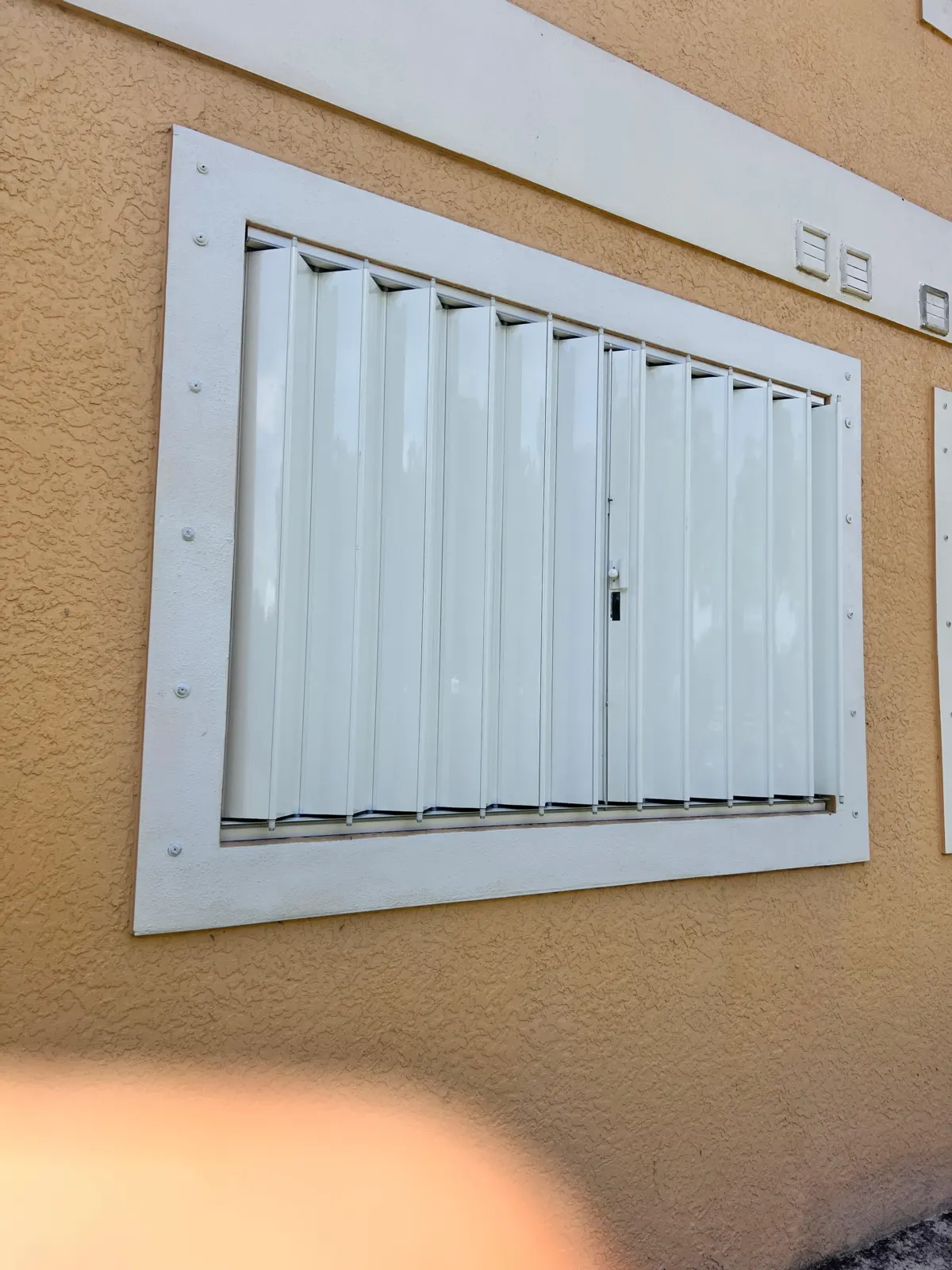
Where Metal Security Shutters Are Used
Security shutters create a physical barrier across an opening when a property is closed, unoccupied, or needs controlled access. Common applications include ground-floor windows, exterior doors, retail storefronts, concession counters, pharmacies, offices, storage rooms, and service openings. A retractable design stores above or beside the opening so normal business or household circulation can resume after the shutter is opened. The visible presence of a robust closure may also discourage opportunistic access attempts.
The correct system depends on more than the opening width. Owners should define the security objective, desired visibility, ventilation, operating frequency, acceptable housing size, finish, access controls, and emergency-egress requirements. Solid, perforated, and open-pattern curtains can support different priorities. The selected shutter must also suit the supporting construction because tracks and fasteners transfer operational and imposed loads into the surrounding structure.
Typical security shutter locations
- Retail glass and storefront entrances
- Windows and exterior doors
- Interior service and transaction counters
- Storage, garage, and equipment openings
Roll-Down Security Shutter Components
A roll-down metal shutter typically includes a curtain, barrel or axle, protective housing, side guides, bottom bar, operating mechanism, and locking or control components. The curtain coils into the overhead housing when open and travels within the guides when closing. Component dimensions and materials vary with the span, usage cycle, exposure, and required performance. A complete specification should identify the assembly rather than treating the curtain material alone as the security solution.
Manual operation may be appropriate for compact shutters that are opened occasionally. Motorized controls improve convenience for larger or frequently cycled closures and can support controlled operation from a switch or compatible access device. Safety accessories may be appropriate depending on location and use. Controls should be positioned to preserve visibility of the moving opening, restrict unauthorized operation where necessary, and comply with applicable electrical, accessibility, fire, and egress requirements.
Security Planning Without Overstated Claims
A metal shutter adds a meaningful physical layer, but no single product makes a property immune to forced entry. Effective security combines the shutter with suitable doors, glazing, locks, lighting, alarms, cameras, access procedures, and prompt response. Product decisions should be based on documented construction, hardware, installation conditions, and the actual threat being addressed. Terms such as heavy-duty or tamper-resistant should never replace a review of the proposed components and mounting details.
Some owners also need storm protection, privacy, or solar control. Those goals must be identified separately because a security shutter is not automatically an approved hurricane shutter, and a storm-rated closure is not automatically designed for a specific security level. When multiple objectives apply, ask for documentation showing how the exact proposed assembly addresses each requirement. This keeps the scope clear and helps prevent an unsuitable substitution during purchasing or installation.
Measurement, Installation, and Maintenance
A site assessment records finished dimensions, available headroom, side room, mounting surfaces, obstructions, electrical access, drainage, and how people move through the area. Commercial projects may also require coordination with signs, ceilings, sprinkler systems, displays, counters, or security devices. The installer can then define the shutter position, guide locations, housing projection, control location, finish, and service access before custom fabrication begins.
After installation, train authorized users and document the opening and closing procedure. Keep the shutter path clear, clean guides using approved methods, check visible hardware, and operate the closure regularly. Stop operation if the curtain travels unevenly, contacts an obstruction, or produces unusual noise. Qualified service is preferable to forcing or dismantling a security shutter, since incorrect adjustments can create new safety and reliability problems.
Metal Security Shutter FAQ
Specify a Security Shutter for Your Opening
Request a site visit to review dimensions, curtain options, controls, finish, mounting conditions, and the security goals for your property.